How Much Are Appaloosa Horses?
You can expect to pay between $3,500 and $10,000 for most Appaloosa horses. Factors like age, training, bloodlines, and distinctive coat patterns considerably affect the price.
Younger or less experienced horses often cost $1,000 to $3,500. Meanwhile, well-trained, show-quality, or purebred Appaloosas can exceed $10,000.
Regional demand and ongoing care expenses also influence costs. Understanding these elements will help you make a more informed purchase decision and manage your budget effectively.
How Much Do Appaloosas Usually Cost?
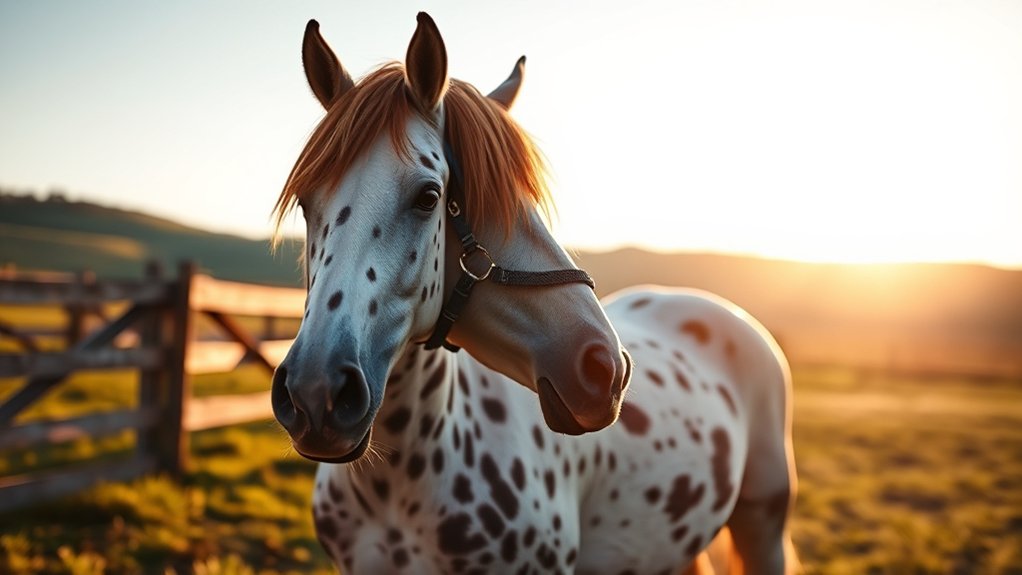
While prices for Appaloosa horses vary widely, you can generally expect to pay between $3,500 and $10,000 for a typical horse. Factors like age, training level, and bloodlines play significant roles in determining cost.
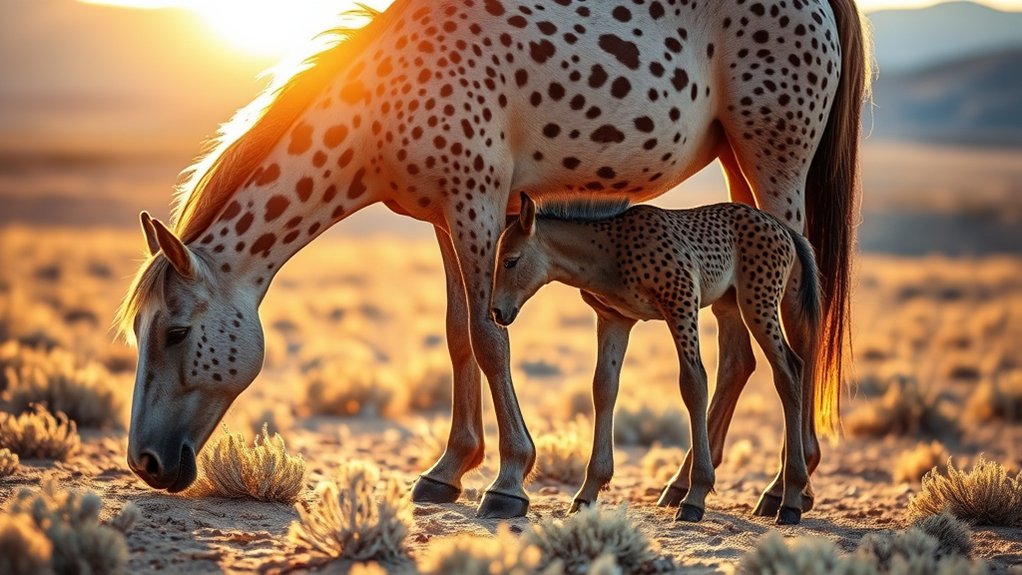
Appaloosas with distinctive coat patterns, such as leopard spots or blanket patterns, often command higher prices due to their visual appeal and breed purity.
Younger or less experienced horses usually fall on the lower end of the price spectrum, sometimes as low as $1,000 to $3,500.
Conversely, well-trained, show-quality Appaloosas may exceed $10,000.
Horses sold through private sales or online auctions can reach prices between $17,600 and over $45,000, reflecting their superior genetics, training, or rare coat patterns.
Key Factors Affecting Appaloosa Prices
When you’re looking at Appaloosa prices, one of the first things to think about is the breed and bloodlines. Horses that come from well-known or distinguished lineage usually have a higher value.
Then, age and training play a big role too. Mature horses that are well-trained tend to command premium prices.
On top of that, those unique coat patterns and colors really make a difference—they often influence how much people are willing to pay.
Breed And Bloodlines
Because breed lineage directly impacts an Appaloosa’s market value, you should carefully evaluate the horse’s pedigree before purchase. Purebred Appaloosas typically command higher prices than crossbreeds, reflecting the breed’s recognized standards.
Bloodlines tracing back to renowned ancestors like Martillo Von Dalosto or Promises Legacy considerably increase value, as they indicate desirable genetic traits and performance potential. Furthermore, bloodlines incorporating Thoroughbred, Quarter Horse, or Arabian genetics influence both price and discipline suitability.
So, analyzing these crosses helps determine the horse’s intended use.
Unique coat patterns, such as leopard spots or blankets, further enhance desirability and cost, especially when linked to reputable breeders with proven show records.
Age And Training
Although age plays an essential role in determining an Appaloosa’s price, the level and type of training often have an even greater impact on its market value.
Younger horses under five usually cost less but may require significant training investment.
Conversely, well-trained Appaloosas command premium prices due to reduced preparation time.
Consider these factors:
- Basic training lowers price but adds future expenses; advanced training, such as competition-ready skills, substantially increases value.
- Older horses over ten may be cheaper but often need health checks and retraining if untrained.
- Specialized training and certifications, like trail or performance event credentials, elevate prices regardless of the horse’s age.
Understanding the interplay of age and training helps you accurately assess an Appaloosa’s market price and overall investment.
Coat Patterns And Colors
Since coat patterns and colors directly influence an Appaloosa’s visual appeal and rarity, they play an essential role in determining its market price. You’ll find that distinctive coat patterns, such as leopard spots, blankets, snowflakes, and roans, significantly impact value.
The Lp gene, responsible for leopard spotting, is hereditary and affects both appearance and price. Horses exhibiting complex or rare coat patterns, like full leopard spots or large white patches, generally command higher prices than those with minimal or common markings.
Furthermore, coat color variations, ranging from solid white or black to spotted patterns, factor heavily into buyer preferences. When evaluating an Appaloosa, you should carefully consider both coat patterns and coat color, as these are key determinants in the horse’s market worth.
How Age and Training Influence Price
When evaluating Appaloosa horses, you’ll find that both age and training considerably impact their market value.
Younger horses, such as foals or yearlings, typically cost less because they require more time and investment before reaching full potential.
Training profoundly elevates price, especially when it involves specialized disciplines.
Consider these price influencers:
- Age: Foals and yearlings range from $1,000 to $3,000 due to limited experience.
- Basic Training: Untrained or lightly trained horses command moderate prices but need further development.
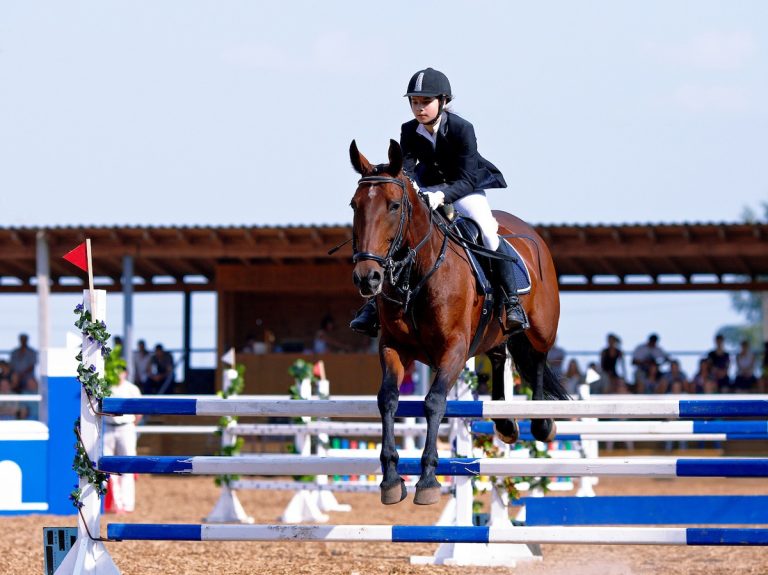
- Advanced Training: Well-trained adults with proven performance, especially in reining or jumping, can exceed $20,000.
Your investment increases as you seek an Appaloosa with advanced training and competitive achievements, reflecting the horse’s readiness and skill level.
Coat Patterns’ Impact on Appaloosa Value
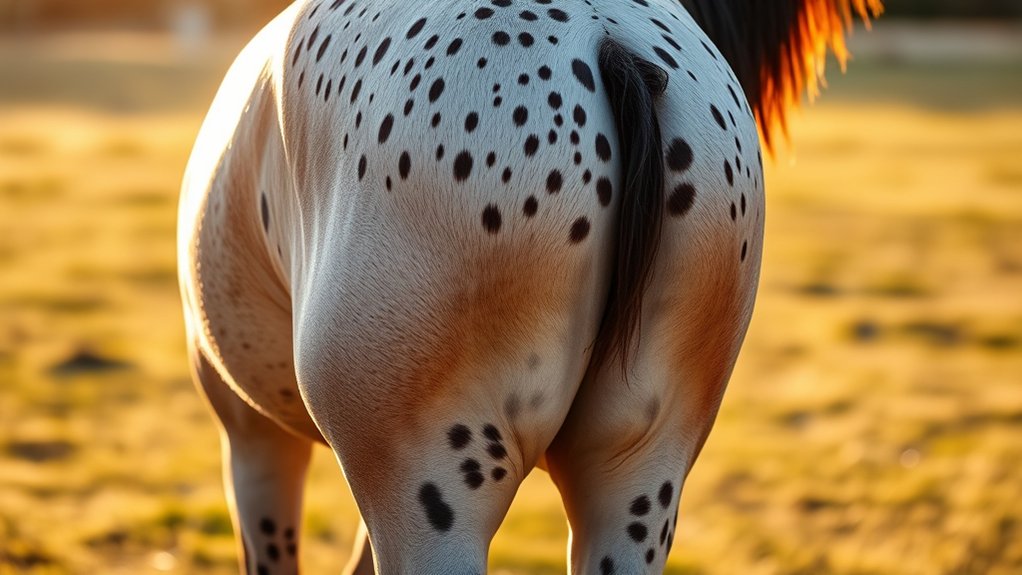
Beyond age and training, the coat pattern plays a significant role in determining an Appaloosa horse’s value. Rare coat patterns such as leopard spots or large blanket patches often command higher prices due to their distinctiveness.
If your Appaloosa horse exhibits unique patterns like snowflake or frost, you can expect a premium price, as these patterns enhance aesthetic appeal and market desirability.
Conversely, common traits like mottled skin and striped hooves, while characteristic of the breed, have minimal impact on resale value.
Multiple prominent white patches or spots also elevate value, especially when patterns are rare or sought after.
Ultimately, the rarity and visual appeal of coat patterns directly influence the Appaloosa horse’s market price, making pattern selection a vital consideration for buyers and sellers alike.
Purebred vs. Crossbred Appaloosa Prices
When you look at purebred versus crossbred Appaloosa prices, you’ll see that purebreds usually go for more. That’s because their pedigree is verified, and they meet specific breed standards.
Of course, things like age, training, and show records also play a big role in their price. Generally, purebreds can range anywhere from $3,500 up to $10,000.
On the other hand, crossbreds tend to be more budget-friendly. They often start around $1,500, but they mightn’t have all those unique traits that make purebreds stand out and add to their value.
Price Differences Explained
How much you pay for an Appaloosa horse depends largely on whether it’s purebred or crossbred. Purebred Appaloosas command higher prices due to their pedigree, registration, and distinct coat patterns. Crossbreds, while more affordable, often lack these defining traits, affecting their market value.
Consider these price distinctions:
- Purebred Appaloosas typically range from $3,500 to $10,000, influenced by age, training, and bloodlines.
- Exceptional purebreds, especially those with strong show records, can exceed $20,000 at auction or private sales.
- Crossbred Appaloosas generally fall between $1,000 and $5,000, reflecting their partial genetics and fewer registered qualities.
Understanding these differences helps clarify the Appaloosa price spectrum. This way, you can make an informed investment based on your goals and budget.
Value Factors Considered
Although both purebred and crossbred Appaloosas offer unique qualities, their values hinge on several key factors. Purebred Appaloosas command higher prices, typically between $3,500 and $10,000. This is based largely on the intensity and uniqueness of their coat patterns, pedigree, and conformation.
Well-trained or show-quality horses further increase value.
In contrast, crossbred Appaloosas usually range from $1,000 to $3,500, reflecting variability in breed standards and less predictable coat patterns. While crossbreds may lack the defined lineage purity, they remain suitable for recreational riding and general use.
When evaluating Appaloosa prices, you should consider breed purity, specific coat patterns, training level, and lineage, as these elements critically influence overall value and market demand.
Regional Differences in Appaloosa Prices
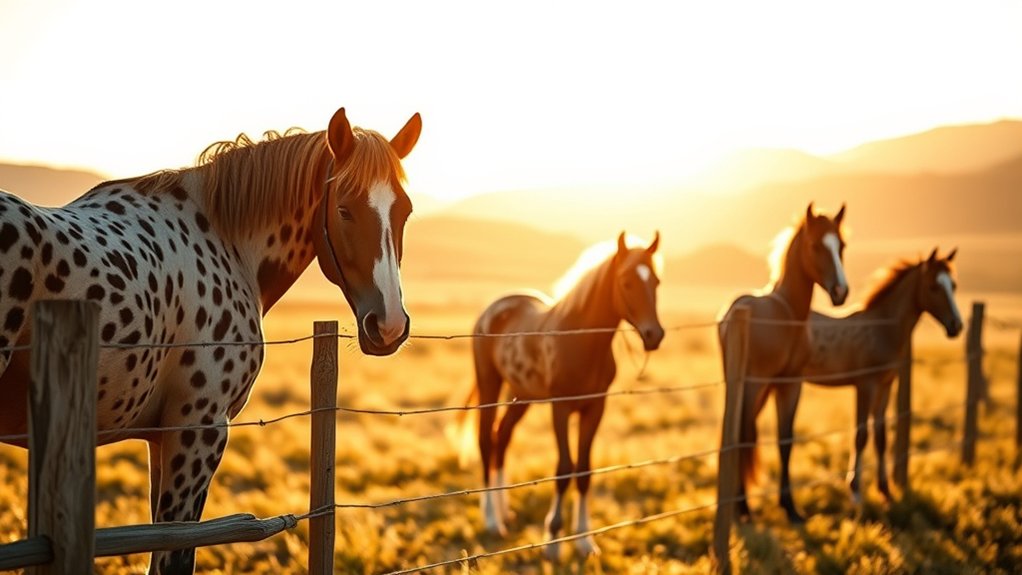
Because regional demand and availability directly influence market values, Appaloosa horse prices show notable variation across the United States. You’ll find that western states like Idaho and Colorado command higher prices due to the breed’s popularity and regional breeding trends.
Regional demand and availability significantly impact Appaloosa horse prices across the United States.
Conversely, the Midwest and Southern regions typically see moderate prices influenced by local supply and demand.
Consider these regional price distinctions:
- Western states often list Appaloosas above $10,000, sometimes exceeding $45,000 at auctions.
- Midwest and Southern regions average between $3,500 and $7,000, reflecting lower regional demand.
- Specific coat patterns and breeding prevalence can push prices higher or lower depending on location.
Understanding these regional factors helps you anticipate price fluctuations and make informed purchasing decisions.
Boarding, Feeding, and Care Costs for Appaloosas
Several key expenses contribute to the ongoing costs of boarding, feeding, and caring for an Appaloosa horse. Boarding fees range from $300 to $900+ monthly, influenced by facility quality and services.
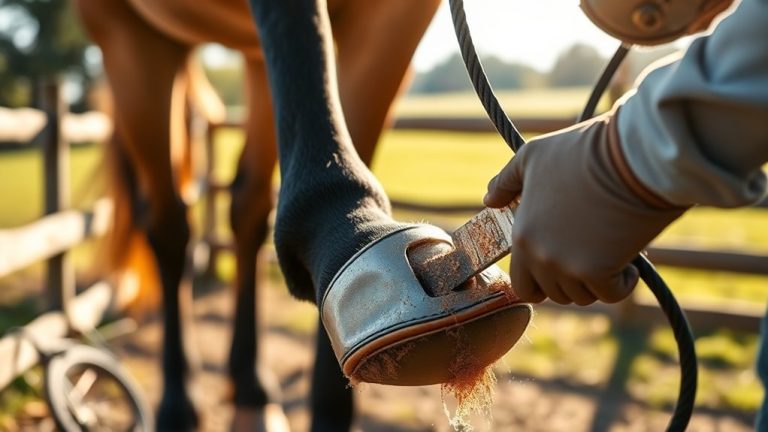
Feeding costs, including premium forage and supplements, typically exceed $2,000 annually. Routine veterinary care and farrier services add to your yearly budget, along with additional costs for supplements and specialized care.
| Expense Category | Typical Cost Range |
|---|---|
| Boarding | $300 – $900+ per month |
| Feeding | $2,000+ annually |
| Veterinary Care | $100 – $300 annually |
| Farrier Services | $25 – $50 every 6-8 weeks |
| Supplements & Others | Variable, additional |
Managing these costs prudently ensures your Appaloosa’s health and well-being.
Where Can You Find Appaloosas for Sale or Auction?
When searching for Appaloosas, you’ll find them available through various channels, including specialized online auctions like those at www.PlatinumEquineAuction.com. These auctions feature detailed photos, descriptions, and videos, allowing you to evaluate each horse’s suitability before bidding.
Prices typically range from $17,600 to over $45,400 depending on age, breed, and training.
Besides online auctions, consider these sources:
- Private breeders who offer a range of ages and disciplines, providing direct insight into lineage and temperament.
- Rescue organizations where you can adopt Appaloosas, often at lower costs but with varying training backgrounds.
- Local sales and horse shows where you can inspect the horses in person before purchasing.
Utilizing these avenues guarantees you find the right Appaloosa through a transparent and informed auction or sale process.
Budgeting Tips for First-Time Appaloosa Buyers
You’ll want to budget between $1,000 and $10,000 for a quality Appaloosa. Well-trained horses usually go for around $5,000, on average. But remember, the costs don’t stop there.
Ongoing expenses like boarding, feed, veterinary care, and farrier services can add up to several thousand dollars each year.
To keep things manageable, it’s a good idea to do some research. Look into reputable breeders or rescue organizations to find the best fit for your budget.
Also, don’t forget to set aside extra money for training and equipment. That way, you’ll be better prepared for the full experience of owning your Appaloosa.
Initial Purchase Costs
How much should you expect to invest initially when purchasing an Appaloosa horse? The initial purchase costs vary widely, typically ranging from $1,000 to $10,000. You’ll need to evaluate factors like age, training, and pedigree to determine the right price point.
For first-time buyers, well-trained, beginner-friendly Appaloosas usually cost around $5,000.
Consider these key expenses to budget accurately:
- Purchase price: $1,000 to $10,000 depending on training and pedigree.
- Veterinary examination: essential for ensuring health and avoiding costly surprises.
- Transportation and initial supplies: including tack and feed to prepare your horse’s new environment.
Research reputable breeders or sellers to secure a healthy, well-bred Appaloosa horse that meets your needs without overspending.
Ongoing Care Expenses
Although purchasing an Appaloosa horse involves a significant initial investment, understanding ongoing care expenses is essential for effective budgeting.
Annual feed costs alone can exceed $2,000, depending on forage quality and supplements.
Routine veterinary care, including vaccinations and dental work, typically ranges from $150 to $300 per year.
Hoof trimming every 6-8 weeks adds $25 to $50 per session.
Don’t overlook deworming, which costs about $10 for four treatments annually.
Boarding fees vary widely but can range from a few hundred to over $900 per month based on location and amenities.
Factoring these ongoing care expenses into your financial plan will help you manage the breed cost realistically and avoid surprises after your initial purchase.
Finding Affordable Options
Where can you find an Appaloosa horse that fits your budget without compromising quality? To secure an affordable Appaloosa, consider these strategies:
- Target older horses or those with basic training. Their price typically falls below that of younger, highly trained horses.
- Explore online auctions and rescue organizations, where prices can be markedly lower than private sales.
- Set a clear budget that includes not just the purchase price but also boarding, veterinary care, and equipment expenses.
How to Negotiate the Best Price on an Appaloosa
Before negotiating the price of an Appaloosa, you should thoroughly research the average market rates based on the horse’s age, training level, and pedigree. Understanding the value of spotted horses within horse breeds helps set realistic expectations.
Review comparable sales, like Amir at $45,400 or Chip at $26,400, to strengthen your position. Examine the horse’s health history and training status for factors affecting price.
When negotiating, start with a lower bid, especially if the horse’s been listed long or shows minor issues. Building rapport with the seller by expressing genuine interest can lead to better concessions or flexible payment terms.
Precise knowledge of market dynamics and the unique qualities of Appaloosas will empower you to negotiate the best possible price.
Frequently Asked Questions
What Is the Typical Lifespan of an Appaloosa Horse?
You can expect an Appaloosa horse’s typical lifespan to range from 25 to 35 years. Their genetic traits, including distinct coat patterns, don’t directly affect longevity but do influence health predispositions.
Managing conditions like recurrent uveitis is essential for maximizing lifespan.
How Do Appaloosas Perform in Different Riding Disciplines?
Think of Appaloosas as a painter’s palette, each color pattern reflecting versatility across disciplines. Their historical significance as reliable, intelligent horses shines when you ride them in Western events like reining or English sports like dressage.
You’ll notice their agility and endurance excel in competitive trail riding and eventing. Whether you prefer traditional or gaited styles, Appaloosas adapt precisely, making them your dependable partner in diverse riding challenges.
Are Appaloosas Prone to Any Specific Health Issues?
Yes, Appaloosas are prone to specific health issues, particularly genetic disorders affecting eye health. You should know they’ve a markedly higher risk of equine recurrent uveitis (ERU), also called moon blindness, which can lead to blindness.
The leopard complex gene linked to their coat patterns also causes congenital stationary night blindness. Because of these risks, you must monitor their eye health regularly and prepare for potential veterinary care related to these genetic concerns.
What Grooming Practices Are Best for Appaloosa Horses?
For effective horse grooming and Appaloosa coat care, use a curry comb followed by a body brush to remove dirt and loose hair. This helps keep the coat vibrant and healthy.
Clean and trim hooves every 6-8 weeks to prevent infections. Bathe occasionally with a gentle horse shampoo, especially on white patches that are prone to staining.
Regularly check for skin irritations or sunburn. Brush the mane and tail to avoid tangles and hair breakage, keeping your Appaloosa’s distinctive look fresh.
How Social Are Appaloosas With Other Horses and Animals?
Wonder how Appaloosas fit into horse herd dynamics? You’ll find they’re quite social, forming strong bonds with other horses when you introduce them properly.
Their animal companionship needs are met through group interactions that enhance herd cohesion.
While some may show dominance, you can manage this with proper socialization.
They’re also gentle with other farm animals, so with careful management, you’ll foster harmonious relationships across species.
Conclusion
Buying an Appaloosa is like maneuvering a complex tapestry. Each thread, from age and training to coat patterns and pedigree, weaves into the final price. Understanding these factors helps you budget wisely and negotiate effectively.
Remember, the initial cost is just one part. Ongoing care and maintenance add to your investment. With precise knowledge and smart decisions, you’ll secure an Appaloosa that fits both your needs and financial plan perfectly.