Is Riding Bare Back Bad For The Horse – Myth or Fact
Riding bareback isn’t inherently bad for your horse if you use proper technique, maintain good balance, and condition both of you gradually. Using a well-fitted pad with spinal clearance helps evenly distribute weight, reducing strain.
Frequent or prolonged bareback riding without care can cause soreness or back issues, especially in sensitive horses. By understanding how rider skill, equipment, and horse conditioning interact, you’ll guarantee safer bareback experiences and protect your horse’s well-being.
Explore the essential practices that make bareback riding effective and secure. It’s all about being mindful and prepared to give your horse the best care possible.
What Is Bareback Riding and Why It Matters
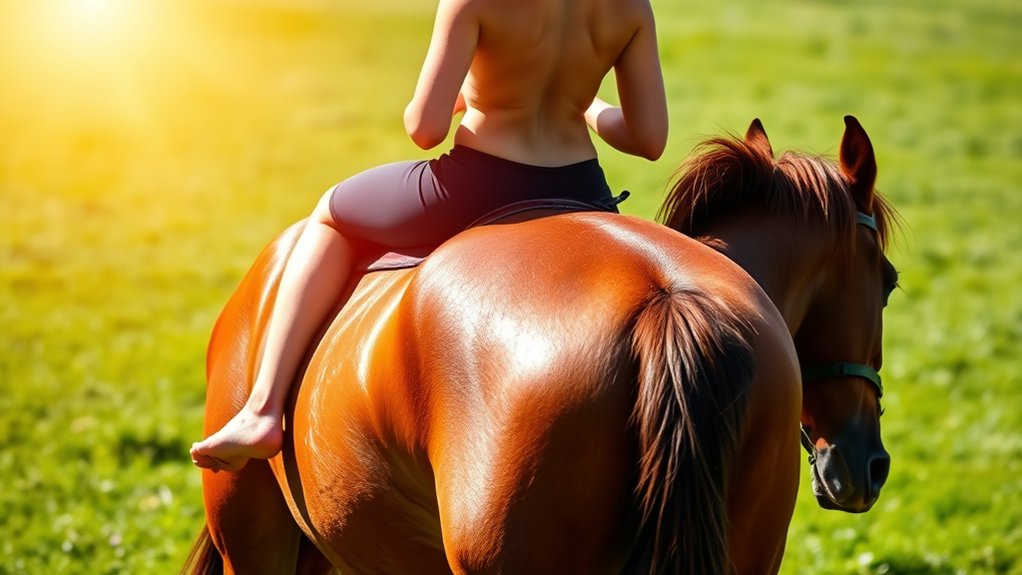
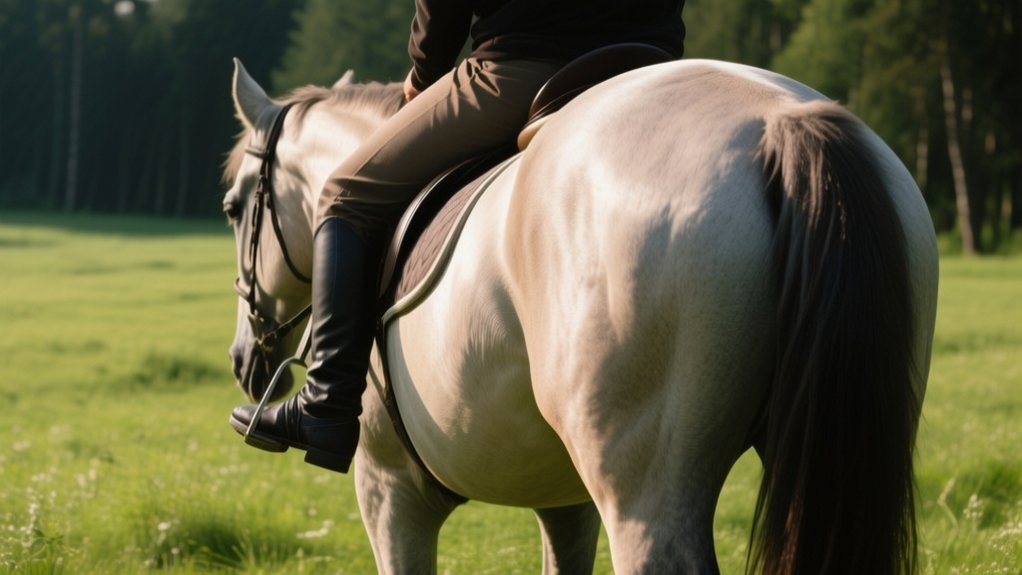
Although it might seem unconventional, bareback riding involves sitting directly on the horse’s back without a saddle. This allows you to establish a more immediate connection with the animal.
Bareback riding means sitting directly on the horse, creating a closer and more immediate bond.
The technique emphasizes natural movement, requiring you to synchronize with the horse’s rhythm and balance.
By eliminating the barrier of a saddle, you enhance communication through subtle shifts in weight and pressure. Bareback riding has a long tradition, predating modern saddlery, and remains popular for its simplicity and intimacy.
To practice it effectively, you need proper technique and must ensure the horse is conditioned for direct contact.
Developing your balance and feel becomes vital because you rely entirely on your core strength and coordination to maintain stability and harmony with the horse.
Is Bareback Riding Safe for Your Horse?
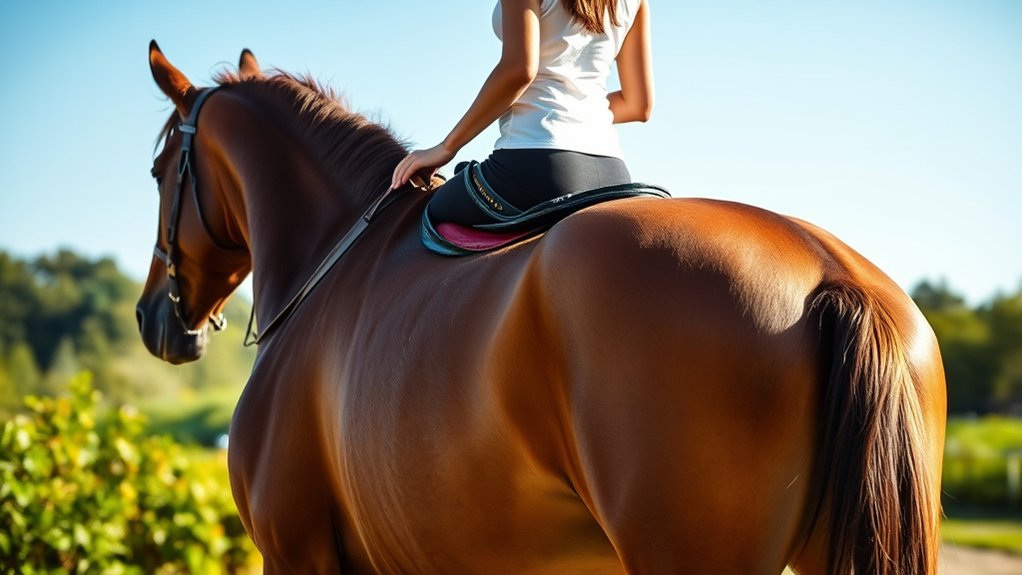
When you ride bareback with proper technique and a well-conditioned horse, the practice is generally safe and doesn’t cause inherent harm to the horse’s back. However, frequent bareback riding without sufficient muscle development or appropriate equipment can increase the risk of soreness or injury.
Horses with poor conformation, like a sway back or existing back pain, are more likely to experience discomfort. These horses should avoid bareback riding altogether.
To reduce pressure points, think about using a well-fitting bareback pad or saddle. This helps distribute your weight evenly across the horse’s back.
It’s also important to maintain proper rider balance and keep an eye on your horse’s physical condition. Doing these things will help protect your horse’s musculoskeletal health during bareback sessions.
How Rider Skill Affects Bareback Riding Safety
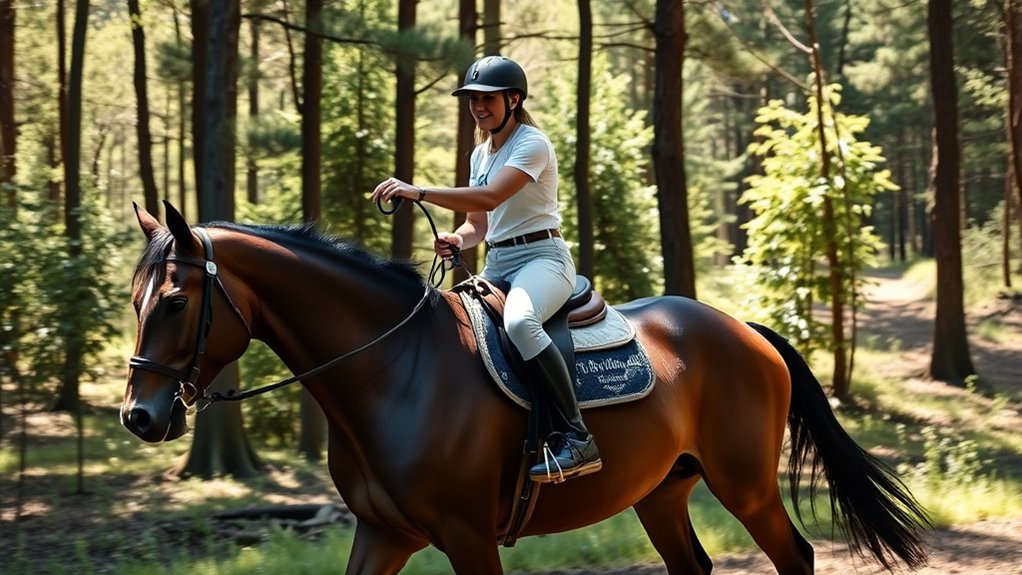
Your balance is super important when it comes to bareback riding safety. If your weight isn’t evenly distributed, it can make the horse uncomfortable or even cause injury.
So, keeping a good posture and engaging your core really helps spread out the pressure and protects the horse’s back.
And here’s the thing—riders who’ve good skills and can control their movements confidently tend to reduce the risks that come with bareback riding. It’s all about being smooth and steady to keep both you and the horse safe.
Rider Balance Importance
How does rider balance impact the safety and comfort of bareback riding? Your balance directly affects the pressure distribution on the horse’s back. Poor balance creates uneven pressure, which can cause discomfort or even injury.
When you maintain proper posture, you distribute your weight evenly. This helps minimize strain on specific spinal areas. Abrupt movements from imbalance can unsettle the horse and increase the risk of muscle strain.
Good balance also improves communication between you and the horse. This makes the ride safer and more comfortable for both of you.
| Rider Balance | Impact on Horse |
|---|---|
| Proper posture | Even weight distribution |
| Poor balance | Uneven pressure, discomfort |
| Abrupt movements | Muscle strain or back issues |
| Good balance | Better communication, safety |
Skill Impact On Safety
Although bareback riding offers a closer connection to the horse, it demands a high level of rider skill to guarantee safety for both parties. Your ability to maintain proper posture and control directly affects the horse’s comfort and prevents back strain.
Skilled riders subtly adjust their weight distribution, minimizing localized pressure that could cause muscle soreness or damage. In contrast, if you’re inexperienced or lack balance, you risk losing control, increasing the likelihood of falls and injury for both you and the horse.
Confidence and adequate training are essential, particularly when riding horses with sensitive or weaker backs.
Ultimately, your skill level determines whether bareback riding is safe, underscoring the need for thorough preparation before attempting it.
Debunking Common Bareback Riding Myths
While many believe bareback riding inherently damages a horse’s back, research and expert analysis show that proper rider technique and horse conditioning play critical roles in preventing injury. You need to focus on balanced posture and ensure the horse has adequate muscle support. Misconceptions like sitting directly on the spine causing harm are false when you maintain proper position.
| Myth | Fact |
|---|---|
| Bareback riding always harms | Proper technique and muscle conditioning prevent damage |
| Sitting on the spine hurts | Balanced posture avoids spinal pressure |
| Bareback riding is risky | Limited duration and padding reduce potential risks |
Understanding these facts will help you ride bareback safely without risking your horse’s back health. Just keep in mind that good habits and awareness go a long way in keeping both you and your horse comfortable and happy.
Choosing Bareback Pads and Saddle Alternatives
When selecting bareback pads or saddle alternatives, you must prioritize proper fit and weight distribution to protect your horse’s back. Bareback pads cushion and prevent direct bone contact but fall short in distributing weight evenly compared to saddles.
Opt for thick, contoured fleece pads with spinal clearance to reduce pressure points and enhance comfort.
Avoid using stirrups on bareback pads, as they concentrate pressure on the spine, raising injury risk.
Consider alternative saddles like treeless or wide-panel designs, which provide superior weight distribution and support for both you and your horse.
Use these options mainly for short, infrequent rides to minimize back strain while promoting your horse’s welfare.
Thoughtful selection and use of pads or saddles can really reduce the physical burden on your horse during bareback riding.
Risks of Frequent Bareback Riding
Selecting appropriate pads or saddle alternatives helps reduce the physical load on your horse during bareback riding, but frequent sessions still pose risks. Repeated pressure without proper padding or fit increases soreness and pressure points along your horse’s spine.
If your horse isn’t conditioned or has pre-existing back issues, frequent bareback riding can make things worse.
Continuous bareback work strains back muscles and connective tissues over time, which could lead to muscle wastage and decreased strength.
Also, if you lack balance or your horse’s conformation isn’t ideal for unpadded contact, you increase the chance of back problems developing.
To keep your horse safe, keep a close eye on their condition. Try not to overdo bareback sessions without professional assessment or proper conditioning. It’s all about finding the right balance for both you and your horse.
How to Train Your Horse for Bareback Comfort
You’ll want to start by gradually desensitizing your horse with short bareback sessions in a controlled environment.
Using a mounting block is a great idea because it helps ensure you mount gently and confidently.
When you mount, focus on safe techniques that minimize stress for your horse and help them get used to your weight.
Keep your communication calm as you lead your horse at a walk and trot.
This will build trust and make the whole process more comfortable for both of you.
Gradual Desensitization Steps
Although bareback riding may seem straightforward, training your horse for comfort requires a systematic approach through gradual desensitization. Begin by leading your horse while mounted on a saddle, allowing them to adjust to your weight and presence.
Next, use a mounting block to sit briefly on the horse’s bare back, minimizing sudden pressure and easing weight placement.
Gradually increase the duration you remain seated, applying gentle pressure with your seat to desensitize the horse to rider contact. Throughout this process, closely observe your horse’s responses, making sure they stay relaxed and unspooked.
Progress slowly and avoid any abrupt changes in duration or intensity.
This stepwise method builds trust and physical tolerance, preparing your horse effectively for bareback riding without causing discomfort or stress. Taking it slow really makes all the difference.
Safe Mounting Techniques
When training your horse for bareback comfort, start by introducing safe mounting techniques that minimize stress and promote relaxation. Begin with short sessions in a controlled space like a round pen to build trust. Use a mounting block to reduce strain and mount slowly, sitting still to let your horse adjust.
It’s also a good idea to conduct desensitization exercises so your horse gets used to your presence and weight. Always make certain your horse stands square and relaxed before mounting.
| Step | Purpose | Key Action |
|---|---|---|
| Short Sessions | Build trust and comfort | Use a round pen |
| Mounting Block | Reduce mounting stress | Mount gently |
| Desensitization | Acclimate horse to rider’s weight | Lead exercises before mounting |
| Check Horse’s Posture | Promote relaxation and safety | Make certain square stance |
Tips for Riding Bareback Safely
Before riding bareback, make certain your horse’s back is well-muscled and free from soreness to prevent discomfort or injury. Use a high-quality, contoured bareback pad with adequate spinal clearance to evenly distribute pressure and protect sensitive areas. Limit your bareback sessions to 15–30 minutes to reduce strain on the horse’s spine and musculature.
Maintain proper rider balance and posture. Sitting evenly prevents uneven pressure that can cause back problems.
After each ride, carefully monitor your horse for signs of soreness, muscle tightness, or behavioral changes, adjusting your routine if necessary.
These practices ensure you minimize risks while enhancing your horse’s comfort during bareback riding. Consistent attention to these details promotes a safer and more enjoyable experience for both you and your horse.
Recognizing and Preventing Horse Back Discomfort
Ensuring your horse’s back remains comfortable requires keen observation and preventative measures. You need to monitor for signs like soreness, muscle tightness, or changes in behavior that indicate discomfort. Properly fitted tack and correct riding technique are vital to avoid undue pressure and injury during bareback riding.
Be mindful that excessive or prolonged sessions can cause muscle strain, especially if your horse’s back is weak or poorly conditioned. Horses with high withers, sway backs, or pre-existing back issues are more vulnerable to direct pressure.
To prevent discomfort, use appropriate padding, limit ride duration, and make certain your horse maintains strong back musculature through conditioning.
Consistently applying these strategies will help you recognize issues early and safeguard your horse’s back health effectively.
Frequently Asked Questions
Can Bareback Riding Improve a Rider’s Balance and Core Strength?
Yes, bareback riding improves your balance and core strength by forcing you to engage abdominal and back muscles actively. It also enhances proprioception and develops an independent seat that adapts precisely to your horse’s movements without relying on external support.
Basically, it helps you connect better with your horse and become more stable while riding. Over time, this can make you a more confident and skilled rider overall.
How Does Bareback Riding Affect Horse Behavior During Turnout?
Like a gentle whisper, bareback riding often calms horses during turnout by fostering trust and relaxation. You’ll notice they’re more curious and social if experiences are positive.
But if they feel discomfort, it might trigger avoidance or anxiety behaviors. So, it really depends on how the horse feels during the ride.
Are Certain Horse Breeds Better Suited for Bareback Riding?
Yes, you’ll find breeds like Quarter Horses and well-conditioned Arabians better suited for bareback riding due to their muscular, balanced backs. They tend to have the right build that makes riding without a saddle more comfortable and safe.
On the other hand, heavy draft breeds often aren’t ideal because of their size and conformation differences. Their larger frames and different body structures can make bareback riding less practical and more challenging. So, if you’re thinking about bareback riding, choosing the right breed can really make a difference.
What Are the Best Exercises to Strengthen a Horse’s Back Muscles?
You’ll boost your horse’s back strength by focusing on lunging in a long, low frame, hill work, and raised pole exercises. These all engage and develop core muscles, which is great for your horse’s overall topline stability and flexibility.
How Does Weather Impact the Comfort of Bareback Riding?
Weather impacts bareback riding comfort by affecting footing stability and muscle condition. You’ll notice slippery or softened ground increases slip risks. At the same time, cold stiffens muscles, making movement less smooth.
Heat causes sweating, which can lead to discomfort or skin irritation for your horse. So, paying attention to the weather helps keep both you and your horse comfortable during rides. It’s all about staying safe and enjoying the experience.
Conclusion
Riding bareback isn’t inherently bad for your horse, but it demands skill, awareness, and care. While it can strengthen your bond and improve balance, ignoring proper technique risks discomfort or injury. It’s kind of like walking a tightrope blindfolded.
Always prioritize your horse’s back health by training gradually and using pads if needed. Keep a close eye out for signs of soreness. With the right approach, bareback riding can be a safe, rewarding experience for both you and your horse.