Is Bermuda Hay Good For Horses – Here’s the Truth
Bermuda hay is a solid choice for your horse, especially if you need a low-sugar, high-fiber forage. It supports weight control, dental health, and digestive balance while offering steady energy for light work.
Its fiber promotes gut motility and metabolic stability, making it safer for horses prone to obesity or laminitis. Quality depends on proper harvesting, drying, and storage to maintain nutrients.
If you want to optimize your horse’s diet, understanding these factors is essential. It’s really about giving your horse the best care through what they eat.
Why Bermuda Hay Is a Popular Choice for Horses
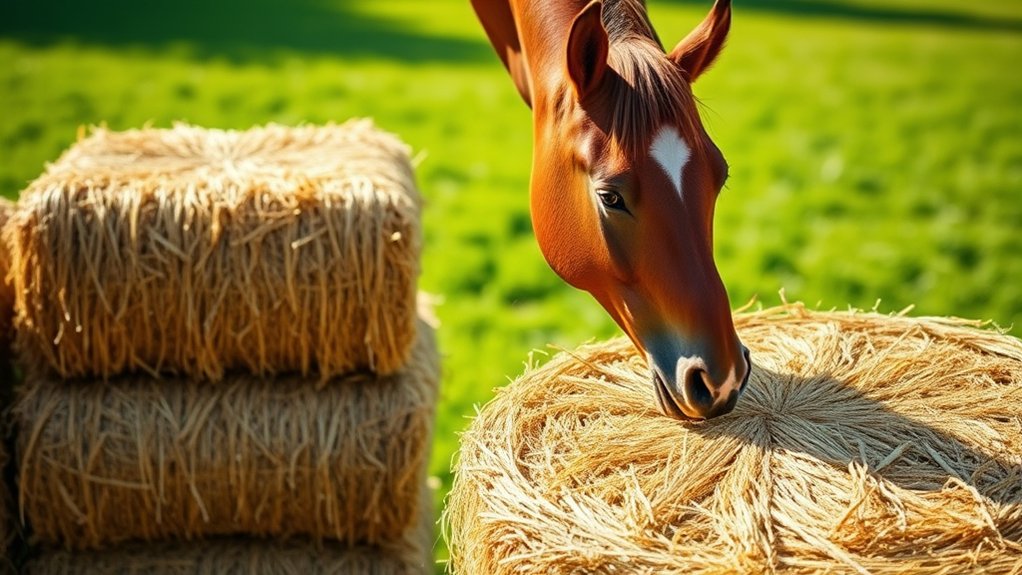
Although there are many forage options available, Bermuda hay stands out as a popular choice for horses because it provides a high-fiber, low-calorie diet that supports maintenance and weight control. You’ll find its fibrous texture encourages thorough chewing, which naturally promotes proper tooth wear and dental health.
Bermuda hay thrives in hot, dry climates, making it both reliable and cost-effective in regions like the southern U.S. Its nutrient profile offers a balanced supply of energy suitable for horses in light to moderate work.
Plus, its low sugar content makes it ideal for horses sensitive to high-sugar diets, such as those at risk of laminitis. All these qualities together explain why Bermuda hay remains a favored forage among horse owners.
How Bermuda Hay Supports Equine Nutrition and Digestion
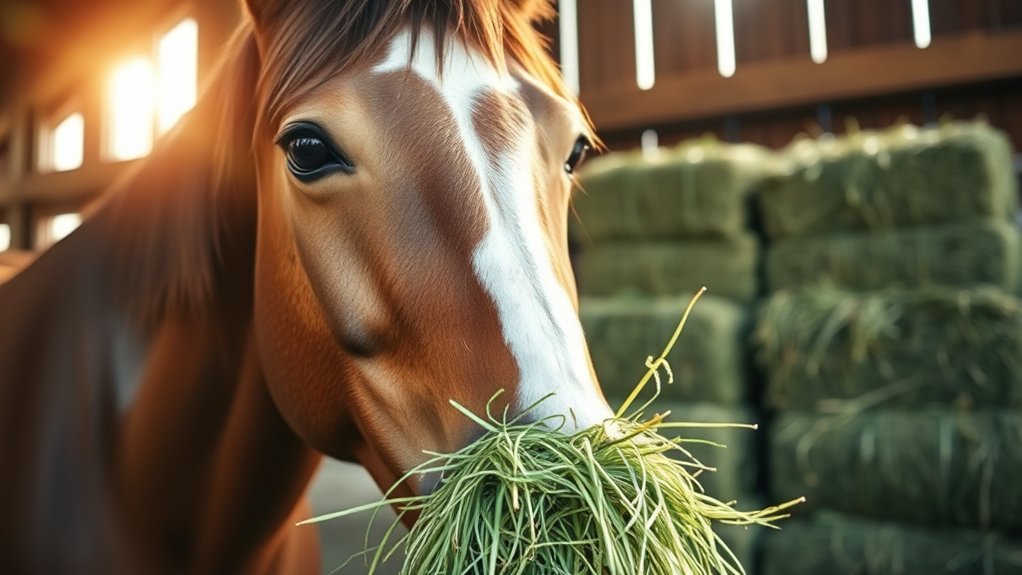
When you feed your horse Bermuda hay, you provide a fiber-rich diet that supports efficient digestion and helps prevent common gastrointestinal issues. The high fiber content promotes healthy gut motility and maintains a balanced microbial environment in the hindgut, which is essential for nutrient absorption.
Its fibrous texture also encourages natural dental wear, reducing the risk of dental problems. Plus, Bermuda hay’s low sugar levels help stabilize blood glucose, making it ideal for horses with metabolic sensitivities.
This stable energy supply helps regulate weight and prevents spikes that can lead to colic or laminitis. When harvested and stored correctly, Bermuda hay retains its nutritional quality, ensuring your horse receives ideal support for digestive function and overall equine nutrition.
Which Horses Benefit Most From Bermuda Hay
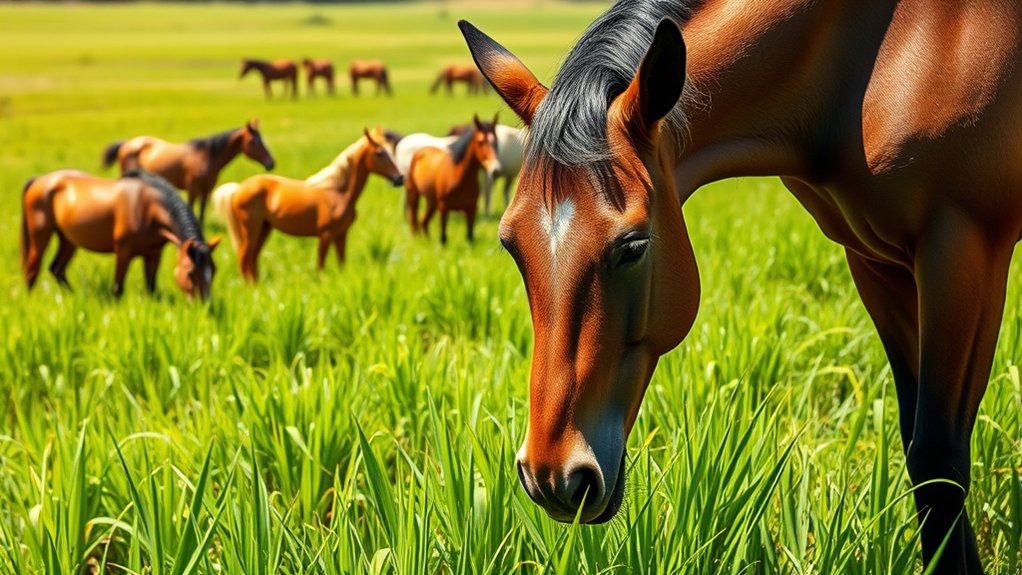
Understanding how Bermuda hay supports equine digestion helps identify which horses benefit most from its nutritional profile. If you manage horses prone to obesity or metabolic issues, Bermuda hay’s high fiber and low-calorie content make it an excellent choice.
It suits adult, maintenance, and light-work horses needing a low-sugar forage to maintain digestive health without excess energy intake.
Additionally, horses with dental problems benefit because Bermuda hay’s fibrous texture aids natural tooth wear.
For horses sensitive to sugar, such as those with laminitis or founder, this hay’s reduced sugar levels provide safer feeding options.
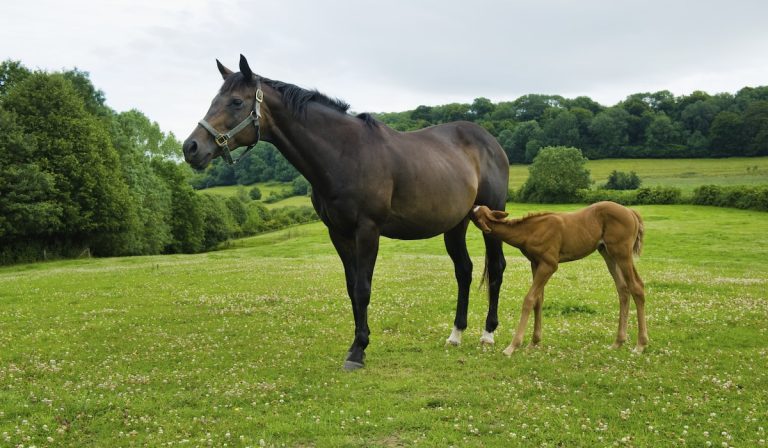
Growing or lactating mares can also benefit when Bermuda hay is supplemented with higher-protein forages like alfalfa to meet increased nutritional demands effectively.
How Growing and Harvesting Impact Bermuda Hay Quality
To make sure your Bermuda hay stays top-notch, it’s important that it grows with plenty of sunlight, warm temperatures, and just the right amount of moisture. These conditions really help keep the nutritional value high.
When it comes to harvesting, timing is everything. You want to cut the grass when it’s young and leafy—that’s when it holds the most essential nutrients and is easiest to digest.
If you wait too long, the fiber content goes up, which isn’t great for hay quality. So, keeping an eye on the right stage to harvest will make a big difference in providing better hay for your horses.
Growth Conditions Impact
Because Bermuda hay’s nutritional value depends heavily on its growth environment, ensuring adequate sunlight, warm temperatures, and balanced moisture is essential for producing high-quality forage. Sunlight drives photosynthesis, promoting the development of nutrient-rich leaves, while warm temperatures accelerate growth.
Conversely, moisture must be carefully managed. Too little water stunts growth, and too much causes nutrient leaching and fungal risks. You’ll find that stress from improper conditions increases fiber content, which diminishes palatability and digestibility.
Additionally, harvesting Bermuda grass at the right maturity stage helps preserve its nutritive profile. While harvesting techniques matter, the foundation of quality Bermuda hay lies in maintaining ideal growth conditions that support leafiness and nutrient density.
This way, the hay remains suitable and beneficial for your horse’s diet.
Harvest Timing Effects
Although Bermuda hay’s growth conditions set the stage for quality, the timing of harvest plays an essential role in determining its nutritional value and safety for horses. Harvesting Bermuda grass when it’s young and leafy maximizes nutrient retention and digestibility.
Cutting too late, during seed head formation, increases fiber and lowers nutritional value. The timing also affects sugar content, with early harvests producing lower sugar levels, which is critical for insulin-sensitive horses.
Proper drying and prompt baling prevent nutrient loss and spoilage. To guarantee ideal hay quality, consider these key factors:
- Harvest at the early growth stage to preserve nutrients and digestibility.
- Avoid late cutting to prevent excessive fiber and reduced nutritional value.
- Dry and bale hay quickly to minimize spoilage and fungal risks.
What Are the Pros and Cons of Feeding Bermuda Hay
When evaluating Bermuda hay as a forage option, it’s important to weigh its advantages against potential drawbacks. Bermuda hay is high in fiber and low in calories, making it ideal for managing weight and supporting horses with metabolic issues. Its fibrous nature promotes natural dental wear, which is great for dental health.
Plus, Bermuda hay is drought-tolerant and widely available in warm climates, so it often ends up being a cost-effective choice.
On the downside, Bermuda hay generally contains less protein than alfalfa. That means it mightn’t meet the nutritional needs of growing or working horses.
Also, its coarse texture can be tough on horses with dental problems or older animals that already have dental wear.
Knowing these factors can help you decide if Bermuda hay fits your horse’s specific dietary needs.
Choosing Bermuda Hay: Key Quality Factors
When you’re choosing Bermuda hay, it’s important to check its nutritional content because that can change depending on when it was harvested and how mature the grass was. You’ll want to look closely at things like the color and how leafy it is—these are good signs of quality and freshness.
Also, make sure there’s no mold anywhere.
On top of that, storing the hay properly is really key. If you don’t, it can spoil and lose its nutritional value, which is the last thing you want.
Nutritional Content Variability
How does the nutritional content of Bermuda hay change, and why does it matter for your horse’s diet? Bermuda hay’s nutritional value varies mainly because of when it’s harvested, how it’s fertilized, and the drying methods used. This variability affects fiber, protein, and energy levels, which directly impact your horse’s digestion and overall health.
To manage this, focus on these key factors:
- Harvest Maturity: Younger Bermuda grass has lower fiber and is more digestible, which helps your horse absorb nutrients better.
- Soil Fertility and Fertilization: The nutrients available in the soil influence the protein and energy content of the hay.
- Drying and Curing: Proper curing keeps the nutrients intact, but if drying isn’t done right, nutrients can be lost through respiration and leaching.
It’s important to regularly analyze the nutrients to make sure the hay consistently meets your horse’s dietary needs.
Harvesting And Storage Impact
Maintaining Bermuda hay’s nutritional quality depends heavily on the timing and method of harvesting, as well as how you store it afterward. Harvest when the grass is young and leafy to preserve nutrients and reduce fiber.
Dry hay thoroughly before baling to avoid mold, but don’t over-dry, or you risk nutrient loss. Store bales in a dry, ventilated space protected from moisture to prevent spoilage. Bale size and wrapping also affect hay preservation.
| Factor | Impact on Quality | Best Practice |
|---|---|---|
| Harvest Timing | Nutrient retention, fiber content | Harvest young, leafy Bermuda |
| Drying Time | Moisture control, nutrient loss | Dry thoroughly, avoid over-drying |
| Storage Location | Mold and microbial growth | Use dry, well-ventilated areas |
| Bale Size | Moisture protection | Smaller or tightly wrapped bales |
| Wrapping Method | Spoilage prevention | Wrap tightly for moisture control |
Visual And Physical Indicators
Although harvesting and storage considerably affect Bermuda hay quality, you can quickly assess its suitability for horses by evaluating visual and physical characteristics. Focus on these key indicators to verify you select nutritious and safe hay.
- Color and Texture: Look for a bright green color and fine, leafy stems with minimal coarse or woody material. This signals good nutrient content and easier digestion.
- Aroma: A sweet, grassy smell indicates freshness and proper curing, while musty or moldy odors suggest spoilage and should be avoided.
- Moisture and Cleanliness: The hay should feel dry, with moisture below 15% to prevent mold. Also, check for uniform texture, absence of weeds, mold, or dust to guarantee quality.
These factors help you determine if Bermuda hay meets your horse’s dietary needs effectively. It’s really about paying attention to the details so your horse stays healthy and happy.
How to Feed Bermuda Hay Safely and Effectively
When you introduce Bermuda hay into your horse’s diet, you need to guarantee it’s harvested at the correct maturity stage to preserve its nutritional quality and minimize excessive fiber that can hinder digestion. Gradually introduce the hay, allowing your horse’s digestive system to adjust and reducing the risk of colic.
Store hay in a dry, well-ventilated area to prevent mold growth and mycotoxin production. Always provide fresh water and monitor intake to avoid overeating. Consider supplementing with vitamins and minerals if the hay lacks certain nutrients.
| Step | Action | Reason |
|---|---|---|
| 1. Harvest Timing | Use young, tender Bermuda hay | Maintains nutrient density |
| 2. Gradual Feeding | Increase quantity over 7-10 days | Prevents digestive upset |
| 3. Proper Storage | Keep in dry, ventilated space | Avoids mold and toxins |
| 4. Monitor & Supplement | Provide water and supplements | Ensures balanced nutrition |
Understanding Bermuda Hay Pellets and Processed Forms
After ensuring proper feeding and storage of loose Bermuda hay, you might consider Bermuda hay pellets as an alternative. These pellets are made by grinding dried Bermuda grass and compressing it. This process preserves much of its fiber and nutrients while extending shelf life.
However, improper drying during processing can cause some nutrient loss. Pelleted forms offer convenience and precise portion control, which is especially useful in managed feeding programs.
Keep in mind:
- Pellets can be soaked to reduce dust and improve palatability for horses with respiratory or dental issues.
- The compression process minimizes spoilage and waste during storage.
- Nutritional content remains largely intact, making pellets a viable substitute for loose hay.
Choosing pellets depends on your horse’s specific dietary and health needs. It really comes down to what works best for your situation.
Frequently Asked Questions
Can Bermuda Hay Cause Allergies in Horses?
Yes, Bermuda hay can cause allergies in horses, especially if they’re sensitive to pollen, mold, or dust. You should monitor your horse closely and guarantee proper storage to minimize allergen exposure and reduce allergic reactions.
Keep an eye on any signs of discomfort or irritation. Proper storage is key to preventing mold and dust buildup. That way, you help keep your horse comfortable and healthy.
How Should Bermuda Hay Be Stored to Maintain Freshness?
Like a fortress guarding treasure, you should store Bermuda hay in a cool, dry, ventilated space off the ground.
Make sure to protect it from moisture, pests, and sunlight. This will guarantee freshness and prevent mold or spoilage.
Keeping it in the right spot really makes all the difference!
Is Bermuda Hay Suitable for Pregnant or Lactating Mares?
Yes, you can feed Bermuda hay to pregnant or lactating mares if it’s high-quality and properly stored.
You’ll need to supplement protein and monitor nutrients to meet their increased demands during these stages. Just keep an eye on their overall diet to make sure they’re getting everything they need. It’s all about balancing their nutrition for the best health outcomes.
Can Bermuda Hay Be Mixed With Other Forage Types?
You absolutely can mix Bermuda hay with other forages! Combining it with grasses or legumes boosts protein and fiber, creating a balanced diet tailored to your horse’s needs.
This mix optimizes nutrition and supports overall health effectively. It’s a great way to make sure your horse gets the right nutrients without any hassle. Just keep an eye on the proportions to match your horse’s specific requirements.
What Is the Typical Cost Range of Bermuda Hay?
You’ll typically find Bermuda hay priced between $4 and $12 per bale. The cost varies by quality, bale size, and region.
Small square bales often cost $5 to $8. On the other hand, large round bales usually range from $40 to $100. It all depends on what you need and where you’re buying from.
Conclusion
Choosing Bermuda hay for your horse is like planting the right seed for a thriving garden. Its balanced nutrition and digestibility can really help nurture your horse’s health and energy.
But keep in mind, quality varies depending on how it’s grown and harvested. So, you’ll want to stay vigilant about where your hay comes from.
By understanding its benefits and limitations, you can make sure your horse grazes on a foundation that supports strong digestion and liveliness. Every bite can then become a step toward essential equine well-being.