What Are Morgan Horses Used For – The Full Story
Morgan horses serve you across competitive riding, driving, trail riding, and therapeutic programs because of their agility, endurance, and calm temperament. They excel in both English and Western disciplines like dressage, reining, and barrel racing. Plus, they really shine in carriage driving and historic reenactments, which ties back to their military legacy.
Their size, versatility, and steady nature make them perfect for beginners and families looking for dependable mounts. If you’re curious, you can explore more about how to select, care for, and get the most out of their potential across different equestrian activities. It’s pretty amazing what these horses can do!
The Versatility of Morgan Horses
Although Morgan horses have a rich history rooted in traditional equine roles, their versatility truly sets them apart in modern equestrian disciplines. You’ll find Morgans excelling across dressage, driving, trail riding, and western events. They also shine in competitive sports like barrel racing.
Their responsive nature and smooth gaits make them exceptional choices for family riding, therapy work, and beginner riders. These are situations where reliability and comfort really matter. Morgans are calm and steady, which makes a big difference.
They demonstrate adaptability in harness racing, carriage driving, and showing. This proves they can shift between activities seamlessly.
Their strong build and calm temperament let them handle demanding tasks in farm work and logging efficiently.
Whether you prefer English or Western disciplines, Morgan horses offer a broad range of applications. They truly are indispensable in diverse equine communities. You really can’t go wrong with a Morgan.
Morgan Horses’ Strengths in Riding Disciplines
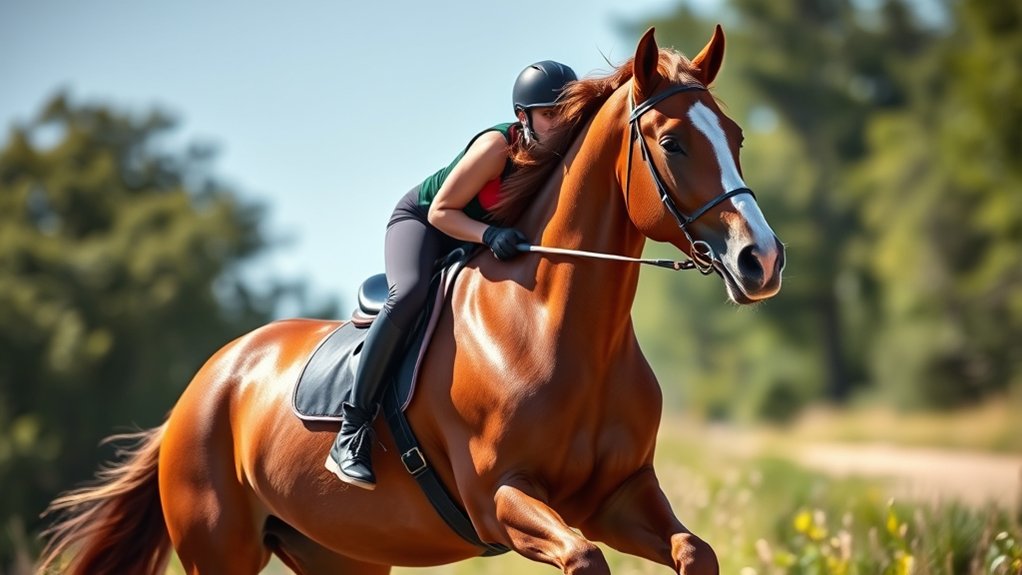
When you evaluate Morgan horses in riding disciplines, their refined movement and exceptional balance immediately stand out, especially in dressage and English Pleasure classes. Their muscular build supplies stamina for trail and endurance rides, while their agility supports eventing and moderate jumping.
You’ll find them highly responsive and quick learners, which really boosts their performance across varied riding sports.
| Discipline | Strengths | Key Attributes |
|---|---|---|
| Dressage & English | Refined movement, balance | Responsiveness, elegance |
| Trail & Endurance | Stamina, muscular power | Endurance, strength |
| Eventing & Jumping | Agility, trainability | Quick learning, versatility |
This combination makes Morgans a technically superior choice for riders seeking both performance and adaptability. They’re a great pick if you want a horse that’s both capable and eager to please.
Morgan Horses in Driving and Carriage Work
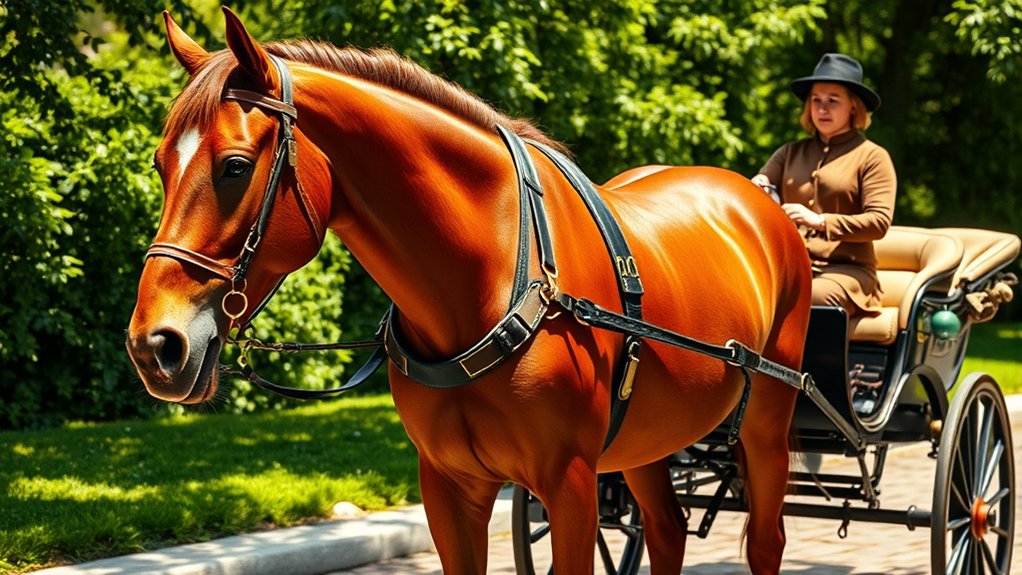
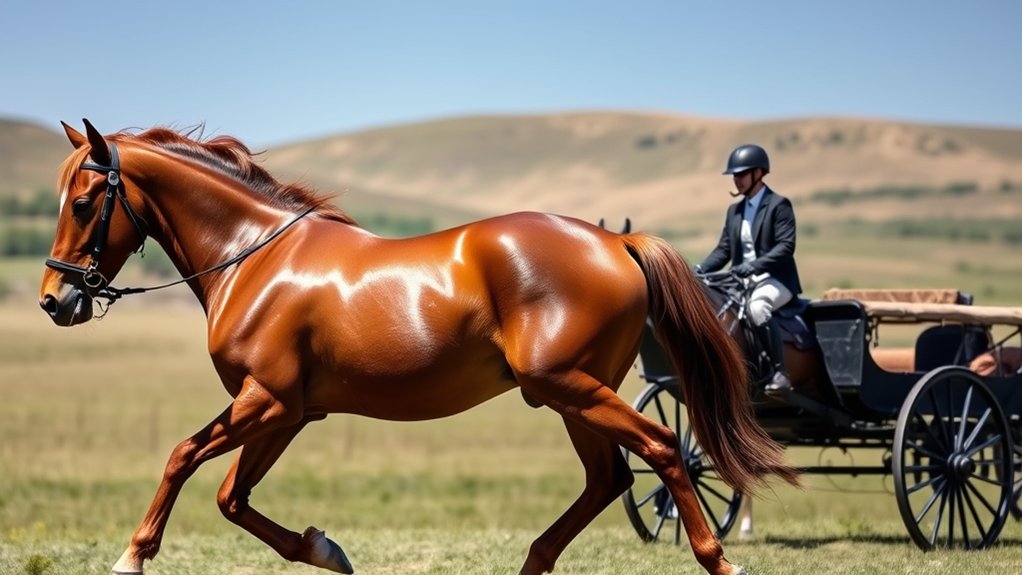
You’ll find that Morgan horses really shine in driving and carriage work. This goes back to their history of hauling stagecoaches and military dispatches, which shows just how dependable and enduring they are.
Their versatility is impressive, especially in modern activities like pleasure driving and combined driving. In these areas, their strength and smooth gait really come in handy.
Plus, Morgans have a calm temperament and they’re quick learners. This makes them easy to work with, whether you’re a beginner just starting out or an experienced driver competing at higher levels.
Historical Carriage Roles
How did Morgan horses become synonymous with carriage driving and stagecoach work? Their combination of strength, agility, and refined appearance made them the preferred choice in the 19th century for pulling carriages and stagecoaches across challenging terrains and urban environments.
You’ll find their calm temperament and quick responsiveness essential for steering through busy streets and ceremonial parades.
Historically, Morgans hauled passengers and mail efficiently, showcasing not only their power but also versatility.
The craftsmanship of Morgan harnesses and carriages emphasized traditional design tailored to the breed’s capabilities.
Even today, they maintain this legacy by participating in historical reenactments and driving events.
It’s pretty impressive how the breed’s enduring role in carriage and stagecoach work continues with such precision and reliability. They really stand out, don’t they?
Modern Driving Disciplines
Although rooted in historical tradition, Morgan horses continue to excel in modern driving disciplines because of their strong, steady gait and calm temperament. You’ll find their versatility invaluable across several competitive and recreational driving formats.
Their natural agility and balanced movement make them perfect for precise control and responsiveness.
Let’s look at some key modern driving disciplines where Morgan horses really shine:
- Combined Driving – this showcases endurance, skill, and versatility across dressage, marathon, and obstacle phases.
- Fine Harness – here, they highlight elegance and refined movement in show settings.
- Pleasure Driving – focusing on smooth, comfortable rides for both driver and horse.
- Dressage Driving – which requires precise, controlled gaits and adaptability to complex commands.
These qualities make Morgans a top choice for drivers who want a reliable, intelligent partner in contemporary driving competitions.
Training and Temperament
Because Morgan horses possess a strong, balanced build and a natural aptitude for pulling, they excel in driving and carriage work. You’ll find their calm, willing temperament and high responsiveness essential when training for diverse carriage disciplines and urban driving.
Morgans quickly interpret commands, allowing you to execute precise maneuvers critical in competitive carriage events and show driving.
Their friendly disposition promotes cooperation, which you need for safe, controlled driving experiences.
Consistent training using positive reinforcement boosts their confidence and harness skills, making them dependable partners.
When you work with Morgans, their coordination and enthusiasm to please ensure efficient learning and reliable performance.
This really establishes them as top choices for both recreational and professional carriage driving.
Morgan Horses for Trail Riding
When you choose a Morgan horse for trail riding, you benefit from a breed known for its calm demeanor, stamina, and smooth gait. All of these contribute to rider comfort over extended distances.
Choosing a Morgan horse means enjoying a calm, enduring ride with exceptional comfort over long distances.
Their strong, hardy build and sure-footedness help you confidently navigate varied and challenging terrains.
Plus, their intelligence and natural curiosity mean they quickly adapt to new environments and respond well to trail cues.
Trail riding also gives them the regular exercise and mental stimulation they need to stay physically and emotionally healthy.
Here are some key advantages:
- Smooth, comfortable gait that reduces rider fatigue
- Sure-footedness on uneven or difficult trails
- Intelligent responsiveness to rider commands
- Friendly temperament suitable for all skill levels
These traits make Morgans an ideal choice for all kinds of trail riding experiences.
Morgan Horses in Therapeutic Riding Programs
Beyond their proven capabilities on rugged trails, Morgan horses excel in therapeutic riding programs thanks to their calm, gentle nature and strong bond with people. Their responsiveness and patience enable you to work effectively with individuals facing physical, emotional, or developmental challenges.
You’ll find their natural curiosity and trainability allow precise adaptation to therapy goals, enhancing session outcomes.
The breed’s steady, strong gait delivers a secure, comfortable ride, which is vital for participant confidence and safety. Furthermore, Morgans exhibit reliable behavior that fosters deep trust between horse and rider. This trust is a foundational element in therapeutic success.
When selecting a horse for therapy, their consistent temperament and ability to form meaningful connections make Morgan horses an unparalleled choice for professionals and participants alike.
Morgan Horses in Western and English Competitions
You’ll find Morgan horses really shine in Western riding events like barrel racing and roping because they’re agile and have a calm, steady temperament.
Plus, when it comes to English show events—think dressage and saddle seat—their balanced build and smooth gaits really catch the eye.
Because of this versatility, Morgans are a favorite among riders who compete in a bunch of different disciplines.
Western Riding Disciplines
Because of their agility and responsive nature, Morgan horses excel in various Western riding disciplines, including reining, trail riding, and western pleasure. Their smooth gaits and natural athleticism provide you with precise control and fluid movement essential for competitive success.
You’ll find their calm temperament especially beneficial in challenging trail classes, where endurance and adaptability matter.
Key Western disciplines where Morgan horses shine include:
- Reining – executing controlled spins, slides, and patterns with finesse.
- Trail Riding – maneuvering obstacles with steady composure and stamina.
- Western Pleasure – showcasing smooth, relaxed gaits and excellent manners.
- Competitive Trail Classes – demonstrating versatility over varied terrain.
Their trainability and friendly disposition make Morgans ideal for riders seeking a capable partner in Western arenas.
English Show Events
While Morgan horses have proven their capabilities in Western disciplines, their versatility extends prominently into English show events. You’ll find Morgans excelling in dressage, English Pleasure, and saddle seat competitions due to their elegant movement and responsiveness. Their natural gait and refined conformation make them strong contenders in in-hand classes centered on presentation and structural correctness.
Thanks to their intelligence and trainability, Morgans adapt well to jumping and eventing, although they’re most frequently showcased in pleasure and breed-specific classes. These events emphasize their unique physical traits and rich history.
Their adaptability and polished appearance have boosted their popularity in formal English show rings, where judges consistently recognize their athleticism and refined presence.
This really underscores the breed’s broad competency in diverse English disciplines. Morgans truly shine in these arenas, showing off both their talent and charm. You can see why they’re such favorites among English show enthusiasts.
Versatility in Competitions
Although Morgan horses have strong roots in both Western and English traditions, their true strength lies in their exceptional versatility across competitive disciplines. You’ll find Morgans thriving in events that demand agility, precision, and refined movement.
Their responsiveness makes them ideal for Western competitions, while their elegant gaits suit English disciplines seamlessly.
Consider these key competition roles:
- Western events: trail, reining, barrel racing, where quick reflexes and control are essential.
- English disciplines: dressage, English pleasure, saddle seat, showcasing refined training and movement.
- Combined events: leveraging endurance, obedience, and agility for multi-faceted challenges.
- Breed-specific shows: demonstrating adaptability across diverse riding styles and classes.
Morgan horses’ versatility empowers you to compete confidently across a broad spectrum of equestrian sports. It’s pretty amazing how one breed can fit into so many different roles, right?
Morgan Horses in Historic Reenactments and Parades
When you watch historic reenactments or parades, Morgan horses often stand out because of their deep ties to American military and civilian history. They were particularly known as mounts for Civil War cavalry. Their calm temperament helps them handle crowds and unpredictable conditions well, making them reliable partners in public events.
Plus, when dressed in period gear, Morgans really bring 19th-century military and civilian life to the forefront. This adds a lot to the historical authenticity. Their muscular build and expressive features visually anchor reenactments and educational displays. It really highlights their cultural significance during Memorial Day and Fourth of July celebrations.
| Attribute | Significance |
|---|---|
| Temperament | Calm, reliable in crowds |
| Appearance | Muscular, expressive, historically accurate |
| Historical Role | Civil War cavalry mounts, heritage events |
All these qualities make Morgans truly indispensable in preserving American history.
The Military and Cavalry Legacy of Morgan Horses
Because of their unmatched endurance and calmness under pressure, Morgan horses earned a formidable reputation as cavalry mounts during the Civil War. You’ll find they combined strength, loyalty, and composure, making them ideal for combat scenarios.
Key factors contributing to their military success include the deployment of approximately 200 Morgans to the Vermont Cavalry, which really highlights their strategic importance. They also used the McClellan saddle, engineered for durability and rider support in battle conditions.
Notable horses like Little Sorrel and Reinzi showed just how versatile and brave Morgans could be, serving on both Confederate and Union sides.
Plus, their consistent reliability, stamina, and strength meant Morgan horses met the rigorous demands of cavalry duties.
All of these characteristics cemented their legacy as preferred mounts in American military history.
Why Morgan Horses Make Great Family and Beginner Mounts
You’ll find Morgan horses are great as family and beginner mounts because they’ve a naturally gentle temperament. This means they usually stay calm, making for a safe and relaxed riding experience.
Plus, they’re really easy to train, so you can quickly get on the same page with them. That helps build trust and makes them more responsive to your cues.
All in all, their steady nature and willingness to learn make Morgan horses super reliable for riders who are just starting out or improving their skills.
Gentle Temperament Traits
Although temperament varies among horse breeds, Morgan horses consistently exhibit a calm, friendly, and people-oriented nature that makes them especially suited for families and beginner riders. You’ll find their gentle demeanor supports safe, confidence-building experiences for new riders.
Their predictability stems from consistent temperament traits across bloodlines, ensuring reliability during handling.
Key gentle temperament traits include:
- Calm disposition that reduces rider anxiety and facilitates smooth interactions.
- Strong bonding ability, fostering trust and cooperative behavior with handlers.
- Patient and tolerant attitude, ideal for therapeutic and introductory riding contexts.
- Friendly nature promoting positive socialization with people of all skill levels.
These attributes collectively make Morgan horses dependable, safe, and rewarding mounts for novices and family environments.
Easy Training Adaptability
When you train a Morgan horse, you’ll notice their exceptional enthusiasm to learn and swift responsiveness to cues. These qualities set them apart as ideal mounts for beginners and families.
Their intelligence allows them to grasp various disciplines efficiently, from trail riding to dressage, especially when instruction is patient and consistent.
This breed’s calm, gentle temperament builds rider confidence and makes training sessions smoother. Morgans also form strong bonds with handlers, which enhances trust and cooperation. That’s essential for effective learning.
Their versatility enables them to adapt to multiple activities, including family riding, therapy, and light driving. This makes them suitable for all ages and skill levels.
These combined attributes make Morgans not only highly trainable but also dependable and rewarding mounts for novice riders and family environments.
Choosing the Right Morgan Horse for Your Needs
Because Morgan horses demonstrate exceptional versatility across disciplines such as dressage, trail riding, driving, and western events, selecting the right individual requires careful assessment of your specific needs and goals. To make an informed choice, consider the following:
Morgan horses excel in diverse disciplines, making thoughtful selection key to matching your goals.
- Evaluate temperament: Morgans’ friendly, enthusiastic to-please nature suits beginners and families.
- Match age and training: Align the horse’s experience with your skill level and intended activities.
- Assess physical attributes: Confirm size and conformation meet requirements for your discipline or competition.
- Review health history: Prioritize longevity and soundness for a sustainable partnership. Morgans typically live 25–30 years with proper care.
Frequently Asked Questions
How Long Do Morgan Horses Typically Live?
Morgan horses typically live around 25 to 30 years. With proper care, balanced nutrition, and regular veterinary checkups, you can help your Morgan exceed this range.
Sometimes they even reach beyond 30 years, depending on genetics and environment. It really comes down to how well they’re cared for and their living conditions.
What Is the Average Height and Weight of a Morgan Horse?
Standing between 14.1 to 15.2 hands tall and weighing 900 to 1,100 pounds, Morgan horses embody strength and balance. You’ll appreciate their medium size, perfectly designed for versatile riding and driving disciplines with ease and grace.
They’re not too big, not too small—just right for a range of activities. Whether you’re riding or driving, these horses make it look effortless. Their size really helps with that smooth, balanced movement.
Are Morgan Horses Prone to Any Specific Health Issues?
Yes, Morgan horses are prone to Equine Metabolic Syndrome and osteochondritis dissecans. You should monitor their weight, insulin levels, and joint health regularly.
Make sure they get proper nutrition and exercise to help prevent metabolic and orthopedic issues effectively. Keeping an eye on these areas can really make a difference in their overall health.
How Much Does It Cost to Buy a Morgan Horse?
You’ll typically pay between $3,000 and $10,000 for a Morgan horse, with show-quality horses exceeding $15,000. Prices vary based on age, training, pedigree, and quality, so budget accordingly for additional care and equipment costs.
Keep in mind, the price you see isn’t the only cost. You’ll want to consider ongoing expenses like feed, vet visits, and tack. It all adds up, so plan ahead to keep your new horse happy and healthy.
What Is the History Behind the Morgan Horse Breed’s Name?
You’ll find the Morgan horse’s name honors Justin Morgan, the original breeder who established the foundation stallion, Figure. His training and breeding expertise shaped the breed’s identity, reflecting deep American roots and significant equine heritage.
It’s pretty cool how one person’s work can have such a lasting impact on a whole breed. Morgan’s legacy lives on every time you see one of these horses. They really are a symbol of early American history and horse culture.
Conclusion
Morgan horses offer unmatched versatility, excelling in riding, driving, trail, and therapeutic programs. Their strength, agility, and temperament make them ideal for both historic reenactments and modern family use.
Whether you’re a beginner or an experienced rider, Morgan horses adapt to your needs with ease. So, why settle for anything less when a Morgan horse can perfectly match your riding ambitions and lifestyle?
Choose wisely, and you’ll experience true equine excellence.